


Epic Wildlife Encounters in Latin America and the Caribbean

Wildlife encounters have the power to transform the way we see the world, especially when they happen in places where nature still leads the way. In Latin America and the Caribbean, the richness of ecosystems creates opportunities not only to witness wildlife but to understand the delicate balance that sustains it.
This month, ATLAS brings together a collection of experiences that highlight that connection: from the protected atolls of Belize and the flooded plains of the Pantanal, to the biodiversity corridors linking the Andes and the Amazon, and the singular ecosystems of the Galápagos Islands, Guyana, and Chilean Patagonia. Each journey offers a different lens into the wild, and a reminder of why it’s worth protecting.
Explore our journeys and discover the region’s most extraordinary wildlife.

Belize’s Living Reef
At Lighthouse Reef, wildlife encounters unfold up close and are unforgettable. Walk beneath nesting red-footed boobies and watch magnificent frigate birds soar overhead on Half Moon Caye. Slip into crystal-clear waters where vibrant coral gardens teem with tropical fish, rays, and reef life. This protected atoll offers rare, face-to-face moments with Belize’s most iconic species in one of the Caribbean’s richest marine ecosystems. Learn more.
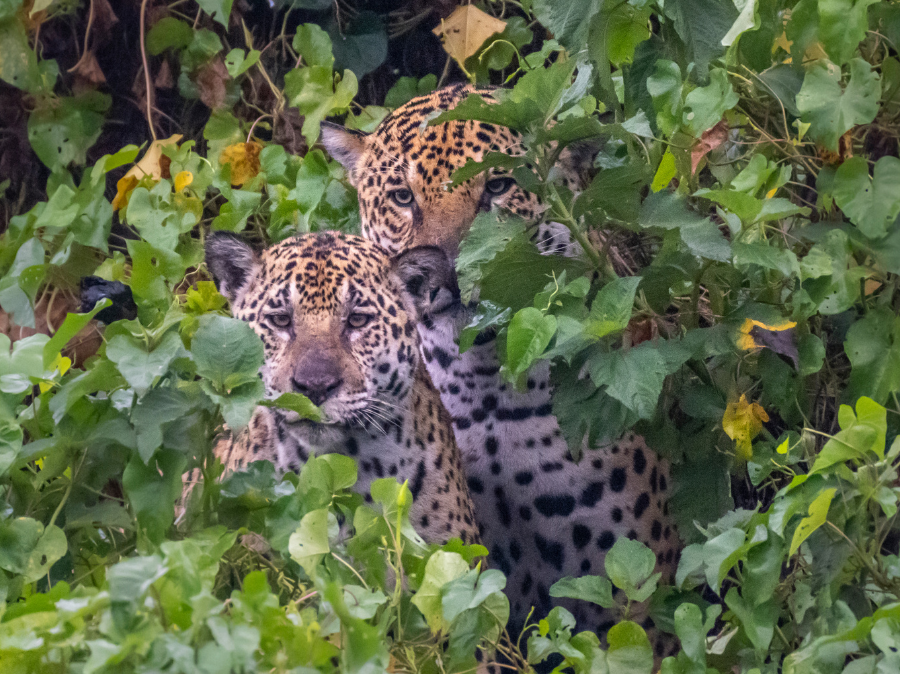
Pantanal Wildlife Sanctuary
Pantanal, a UNESCO World Heritage Site and Biosphere Reserve, is the world’s largest seasonal flooded wetland, renowned for exceptional wildlife viewing. Over 4,700 species of animals and plants thrive here, adapted to the unique water cycles. The best time to visit is June to October, when wildlife gathers along riverbanks. Highlights include the hyacinth macaw, jabiru stork, giant river otter, giant anteater, and jaguar. Experiences range from land-based lodges to scenic flights and river cruises.

Andes to Amazon
Experience Peru’s vast biodiversity on a four-day biking trip from Cusco to Manu. On this trip, you traverse several eco-regions, spotting alpacas, vizcachas and condors in the high Andes before descending into lush cloud forests, home to the Andean cock-of-the-rock and spectacled bears. Finally, reaching the rainforest to encounter monkeys, macaws, caiman, and snakes. Cycling this dramatic transition offers an unmatched perspective on the scale and incredible biodiversity of Peru.

Galápagos Ecuador Wildlife
In the Galápagos, wildlife is part of the landscape and shaped by how it is cared for. In the highlands of San Cristóbal at Hacienda Tranquila, travelers walk through farmland and native forest where endangered species like the Galápagos petrel find refuge. In Santa Cruz, reforestation helps restore habitats for giant tortoises, while in Isabela, coral initiatives monitor and protect fragile marine ecosystems. Through sustainable farming, habitat restoration, and responsible land management, these encounters reveal the balance that sustains life across the islands. Explore our land-based journeys: https://www.neotropicexpeditions.com/

Guyana Wildlife & Adventure Journey
Embark on an epic 15-day odyssey through Guyana’s untouched landscapes. From the thundering Kaieteur Falls to the Iwokrama Canopy Walkway, this adventure offers rare access to South America’s most pristine habitats. Explore the Rupununi savannahs and remote oxbow lakes where giant anteaters, river otters, and harpy eagles find sanctuary. While the wild follows its own schedule, Wilderness Explorers immerses you in the raw heart of nature, where every rustle in the rainforest holds the potential for discovery.
Chile Winter Puma Tracking
The king of Patagonia is the puma! Did you know you can track pumas in winter? On a winter puma tracking program, travelers spend four days with expert guides and a local tracking team searching for these animals. You’ll learn how to interpret tracks, movement patterns, and behavior. With wide-open landscapes, fewer visitors, and clearer signs in the snow or on damp ground, it’s a completely different experience. A more personal and intimate encounter with nature!


Comments